
Pest and Wood-Destroying Insect Inspection for Home and Commercial Properties
Presidential Home Inspections offers professional wood-destroying pest inspections to help you identify potential pest problems before they cause significant damage. Our experienced inspectors will thoroughly examine your property for signs of termites, carpenter ants, and other wood-destroying insects, using advanced tools and techniques to detect even the smallest traces of infestation. If we detect any issues, we’ll provide you with a detailed report outlining the extent of the damage and recommend a course of action to eliminate the pests and prevent future infestations.
Learn more about our pest inspection
and assessment services
Types of Wood-Destroying Pests in Idaho and Eastern Oregon
There are several wood-destroying pests that are commonly found in Idaho and Eastern Oregon. Here’s a list of some of the most significant ones:
- Subterranean Termites: These termites live in the soil and can cause significant damage to wooden structures by tunneling through the wood.
- Drywood Termites: These termites do not require contact with soil and can cause significant damage to dry, seasoned wood in homes and buildings.
- Carpenter Ants: Carpenter ants excavate galleries within wooden structures, which can weaken and damage the wood.
- Powderpost Beetles: These beetles lay their eggs in hardwoods, and the larvae bore through the wood, leaving behind small exit holes.
- Old House Borers: These beetles are attracted to newly constructed or recently felled trees and can cause significant damage to wooden structures.
- Carpenter Bees: These large bees bore holes into wood to create galleries in which they lay their eggs, causing significant damage over time.
It’s important to have regular inspections from a licensed pest control professional to detect and prevent any infestations before they cause extensive damage to your property.
Termite Inspections
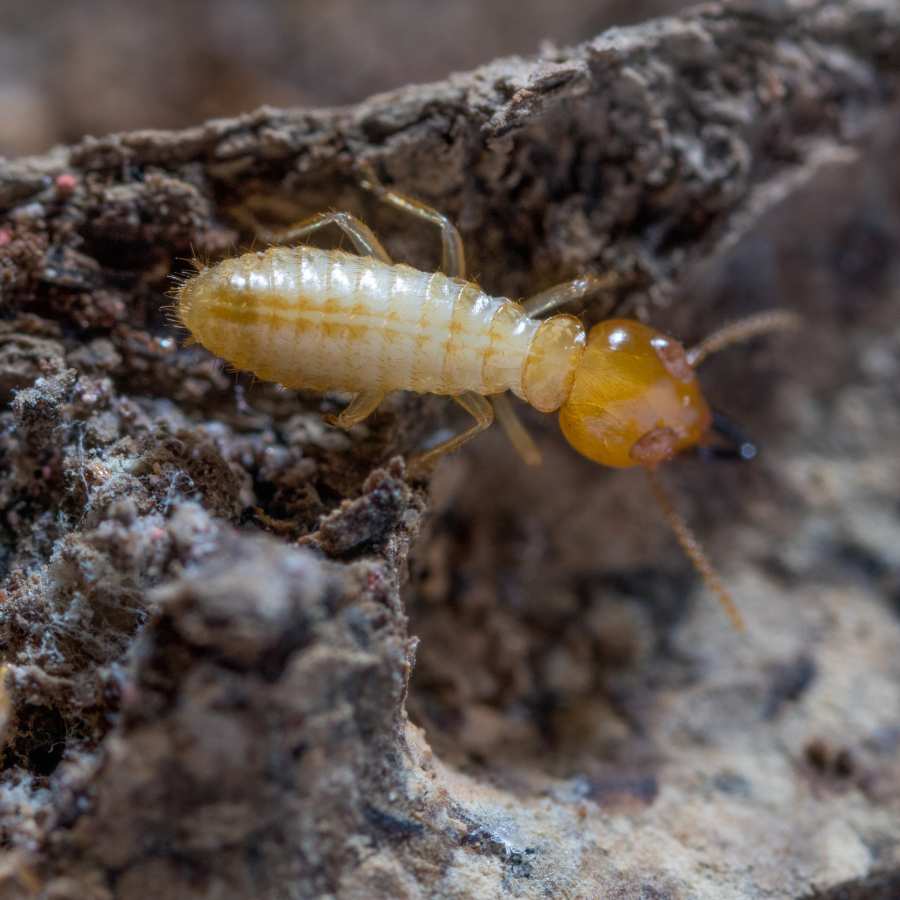
Did you know termites are among the most important structural insect pests in the Northwest. Only carpenter ants rival them in importance. Termites feed on wood or wood products, and their digestive tracts contain microorganisms which enable them to convert the cellulose in wood into usable food. Most termites need moist conditions to become established. For subterranean termites, the moisture source usually is the soil. In 2007 I completed and successfully passed the Washington State Department of Agriculture requirement’s for performing wood destroying organisms inspections. Since this time I have performed over 1000 pest inspections. For dampwood termites, the moisture comes from wet wood. View the link on termites (general) below to see a diagram of a house with 22 critical areas of inspections.
Pest Links:
How to Help Prevent Termite Infestations
Termites are ground insects that seek three things: food, moisture, and shelter close to the ground. A few smart maintenance habits go a long way toward keeping them — and other wood-destroying pests — out of your home:
- Eliminate wood-to-soil contact: Anywhere wood touches the ground is an open invitation. Keep siding, trim, and structural wood separated from soil — re-grading may be needed if soil has built up against the home.
- Keep mulch away from the foundation: Mulch holds moisture and shelters insects. Keep it at least 12 inches away from your home’s foundation.
- Store firewood away from the house: Stack firewood several feet from the structure and off the ground — never against the siding or in the crawl space.
- Maintain gutters and downspouts: Divert roof water well away from the foundation. Consistent moisture at the base of your home attracts subterranean termites.
- Control moisture under the home: Fix basement and crawl space moisture problems promptly — damp conditions attract nearly every wood-destroying pest found in our region.
- Consider professional treatment: Chemical soil treatments applied by a licensed pest control professional can protect a home for up to five years.
Most termite damage begins in places you can’t see — regular professional inspections catch it before it becomes expensive.
How Do You Know If Your Home Has Termites?
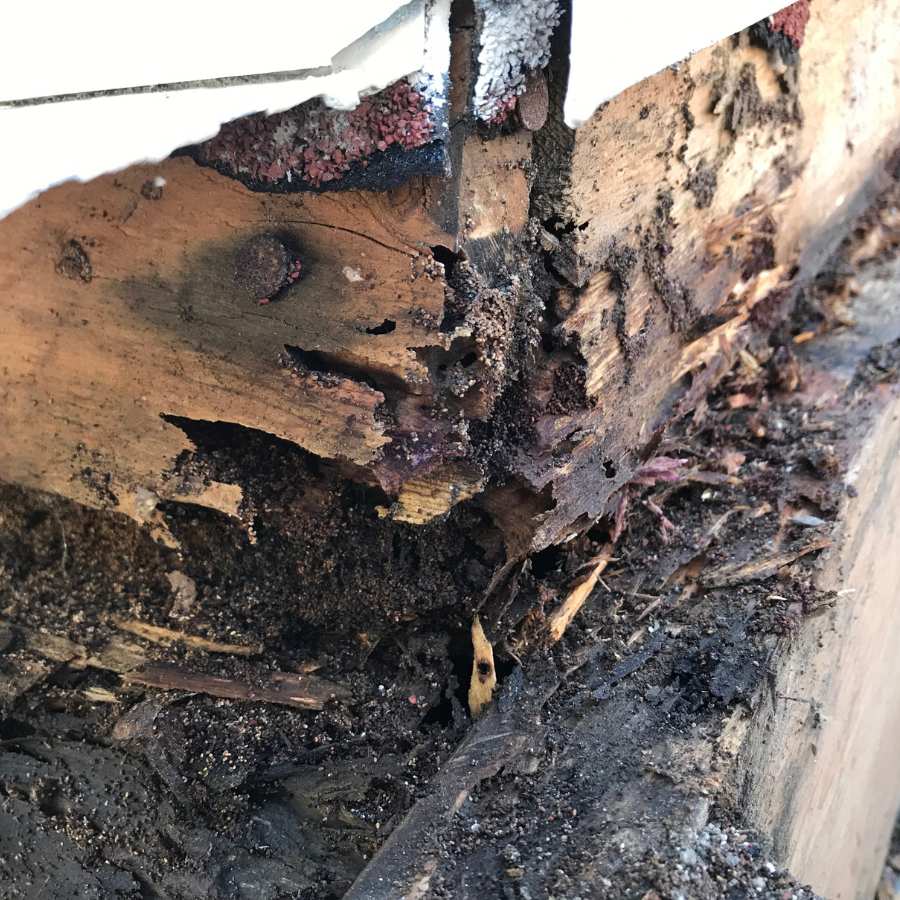
Termite damage is rarely obvious. Because termites work from the inside out, wood can look perfectly sound on the surface while it’s being hollowed out behind walls, under floors, and inside ceilings. We’ve seen a Treasure Valley home settle a full two inches because termites had quietly eaten away a main support beam — a repair that cost far more than years of inspections would have.
Finding that hidden damage takes expert training and the right tools. Many general home inspections exclude wood-destroying organism (WDO) inspections entirely — ours don’t have to. Our inspectors are certified through the Washington State Department of Agriculture for WDO inspections, and we use infrared thermal imaging to help detect the moisture conditions and hidden activity that termites leave behind — behind walls, under floors, and in ceilings — without tearing anything open.
Ready to Get Started?
Contact us for a quote!
Whether you’re looking to buy or sell a residential or commercial property, you need a trusted and reliable home inspector who can provide you with the information you need to make an informed decision.
We offer a range of services to meet your needs, including residential and commercial inspections, mold inspections, radon testing, and pest inspections. You can be confident that we will identify any issues that could impact the value, safety, or health of your property.
Don’t let unseen problems turn into costly headaches down the road – contact us today to schedule your inspection and get the peace of mind you deserve.